
Body Piercing Guide: A Comprehensive Overview (Updated 04/07/2026)
Body piercings are a popular form of self-expression, blending fashion with cultural significance, though proper safety and aftercare are paramount for a positive experience.
Body piercing has surged in popularity as a means of personal expression, offering diverse placements and jewelry options to suit individual styles. While generally safe when performed professionally in hygienic environments, understanding the process is crucial.
From simple earlobe piercings to more complex cartilage and body modifications, each carries unique considerations regarding healing time, potential complications, and long-term care. This guide provides a comprehensive overview, emphasizing safety, responsible choices, and informed consent.
Historical and Cultural Significance of Body Piercing
Body piercing isn’t merely a modern trend; it boasts a rich history spanning millennia and diverse cultures. For centuries, piercings have served as symbols of status, religious devotion, rites of passage, and personal identity.
Ancient civilizations, from Egyptians to Mayans, practiced various forms of body modification, including piercing. These practices often held deep spiritual or social meaning, demonstrating belonging and beliefs. Today, this historical context informs the practice’s continued relevance.

Types of Body Piercings
Numerous piercing locations exist, ranging from common ear and facial piercings to more adventurous body placements, each offering unique aesthetic possibilities.
Ear Piercings: Lobe, Helix, Tragus, and More
Ear piercings represent a diverse canvas for self-expression, encompassing classic lobe piercings and more intricate cartilage options like the helix and tragus. Cartilage piercings generally require extended healing times and carry a slightly elevated risk of complications compared to simple lobe piercings.
Multiple sites on the ear allow for creative combinations, from delicate studs to bold hoops, catering to individual styles. Careful consideration of placement and jewelry choice is crucial for both aesthetics and optimal healing.
Facial Piercings: Nostril, Eyebrow, Lip, and Septum
Facial piercings, including nostril, eyebrow, lip, and septum placements, offer striking aesthetic options but demand meticulous attention to hygiene and healing. These areas are prone to infection and may necessitate longer healing periods compared to earlobe piercings.
Professional expertise is paramount to minimize risks and ensure proper placement. Selecting appropriate jewelry materials is also vital to prevent allergic reactions and promote healthy tissue integration during the healing process.
Body Piercings: Navel, Nipple, and Surface Piercings
Navel, nipple, and surface piercings represent bolder choices, often requiring extended healing times and a heightened commitment to aftercare. These locations are particularly susceptible to irritation and migration if not properly maintained.
Surface piercings, lacking a full exit point, present unique challenges regarding stability and rejection. Consulting with an experienced piercer is crucial to assess suitability and understand the specific care requirements for these more complex placements.

The Piercing Process: What to Expect
The piercing process is swift, typically performed by artists—not medical professionals—and local anesthetics aren’t usually used during the procedure itself.
Choosing a Reputable Piercing Studio
Selecting a professional piercing studio is crucial for a safe experience. Prioritize studios with visible licenses and certifications, demonstrating adherence to health and safety standards. A clean, well-maintained environment is non-negotiable; observe sterilization procedures carefully.
Look for piercers who are willing to thoroughly explain the process, aftercare, and potential risks. Don’t hesitate to ask about their experience and view their portfolio. A reputable studio will prioritize your well-being and provide transparent information.
Hygiene and Sterilization Protocols
Rigorous hygiene and sterilization are paramount in preventing infections. A reputable studio will utilize an autoclave to sterilize all reusable instruments, ensuring they are completely free of bacteria and viruses. Single-use, disposable needles and equipment should be standard practice.
Observe if the piercer washes their hands thoroughly and wears fresh gloves for each client. The piercing area should be disinfected with a surgical scrub before the procedure begins, minimizing the risk of complications.
The Piercing Procedure Itself: Tools and Techniques
The piercing process, typically quick and straightforward, involves marking the desired location and utilizing sterile, single-use needles to create the piercing. While body piercing artists perform the procedure, local anesthetics are generally not used.
Various techniques and tools are employed depending on the piercing type, including hollow needles for most piercings and specialized tools for cartilage. Proper clamping and stabilization are crucial for accurate placement.

Aftercare: Ensuring Proper Healing
Diligent aftercare, including regular cleaning and monitoring for infection, is vital for successful healing and minimizing complications following a new piercing.
Initial Aftercare Steps (First 24-48 Hours)
The first 24-48 hours are critical; avoid touching the piercing except for cleaning, and refrain from twisting or turning the jewelry. Gentle saline soaks, two to three times daily, are recommended to minimize swelling and promote initial healing. Avoid harsh soaps, alcohol-based cleaners, and excessive movement in the pierced area;
Cleaning and Maintenance Routine
Continue saline soaks twice daily for several weeks, ensuring thorough rinsing to remove any crust. Avoid over-cleaning, as this can irritate the piercing. Gently dry the area with a clean, disposable paper towel. Avoid makeup, lotions, and tight clothing near the piercing site to prevent infection and promote optimal healing;
Signs of Infection and When to Seek Medical Attention
Look for excessive redness, swelling, pain, pus-like discharge, or fever – these indicate potential infection. Mild discomfort is normal, but worsening pain requires attention. If symptoms persist beyond a few days, or if you suspect infection, consult a doctor immediately for proper diagnosis and treatment.
Jewelry Options and Materials
Surgical steel, titanium, and gold are common choices, each offering varying biocompatibility and aesthetic appeal for newly pierced or established jewelry.
Common Jewelry Materials: Surgical Steel, Titanium, Gold
Surgical steel is a popular, affordable option, though nickel content can cause reactions in sensitive individuals. Titanium is hypoallergenic, making it ideal for initial piercings and sensitive skin.
Gold, specifically 14k or higher, offers a luxurious look but must be solid, not plated, to avoid irritation. Material choice impacts healing and long-term comfort, so careful consideration is crucial.
Choosing the Right Jewelry Style for Your Piercing
Initial jewelry should prioritize healing – straight barbells or studs are often recommended. Consider jewelry size and shape to avoid irritation or migration.
Once healed, explore diverse styles like hoops, rings, or decorative studs to reflect personal taste. Ensure jewelry is high-quality and appropriate for the piercing location, enhancing both aesthetics and comfort;
Potential Risks and Complications
While generally safe, piercings carry risks like infection, allergic reactions, and scarring; professional aftercare and hygiene are crucial for minimizing these potential issues.
Infection: Causes, Symptoms, and Treatment
Piercing infections stem from bacteria entering the wound, often due to improper aftercare or contaminated tools. Symptoms include increased pain, redness, swelling, pus discharge, and fever.
Mild infections may respond to increased cleaning with saline solution, but severe cases necessitate immediate medical attention, potentially requiring antibiotics.
Ignoring infection can lead to serious complications, emphasizing the importance of a reputable piercer and diligent aftercare routines for optimal healing.
Allergic Reactions to Jewelry Materials
Allergic reactions to piercing jewelry are common, often triggered by nickel in cheaper metals like surgical steel. Symptoms include itching, redness, blistering, and localized swelling around the piercing site.
Hypoallergenic materials like titanium or high-quality gold significantly reduce allergy risks.
If a reaction occurs, switch to hypoallergenic jewelry and consult a doctor if symptoms persist, as prolonged exposure can hinder healing and cause complications.
Keloid and Hypertrophic Scarring
Keloids and hypertrophic scars are overgrowths of scar tissue at the piercing site, differing in their growth pattern. Hypertrophic scars remain within the original wound boundaries, while keloids extend beyond them.
Individuals with a predisposition to these scars are more susceptible, particularly with cartilage piercings.
Treatment options range from topical treatments to surgical removal, but prevention through proper aftercare is crucial.
Piercing Considerations for Different Ages
Age impacts piercing decisions; teenagers often require parental consent, while adults should fully understand risks and responsibilities before getting pierced.
Piercings for Teenagers: Parental Consent and Maturity
Navigating body piercings for teenagers requires careful consideration, often necessitating parental or guardian consent due to age restrictions and legal requirements. Beyond legality, assessing a teenager’s maturity level is crucial; they must comprehend the commitment to aftercare, potential risks like infection, and the permanence of some piercings.
Open communication between parents and teens is vital, discussing expectations, responsible jewelry choices, and understanding the potential for complications. A reputable piercer will also likely require parental involvement, ensuring informed consent and a safe experience.
Piercings for Adults: Considerations and Responsibilities
Adults pursuing body piercings retain full autonomy, yet responsible decision-making remains paramount. Thorough research into reputable studios, understanding hygiene protocols, and acknowledging potential risks – including infection and allergic reactions – are essential.
Commitment to diligent aftercare is non-negotiable, demanding consistent cleaning and monitoring for complications. Adults should also consider long-term implications, such as workplace restrictions or jewelry maintenance, ensuring the piercing aligns with their lifestyle.

Cost of Body Piercings
Piercing prices vary significantly based on location, studio reputation, jewelry material, and the piercer’s expertise; expect to budget accordingly for quality and safety.
Factors Influencing Piercing Prices
Several key elements contribute to the overall cost of a body piercing. The studio’s location and overhead expenses play a role, with urban areas often commanding higher prices. A piercer’s level of experience and certifications directly impacts their fees, reflecting their skill and expertise.
The complexity of the piercing itself is also a factor; cartilage piercings generally cost more than simple lobe piercings due to the increased skill required. Finally, the jewelry material significantly influences the price, with surgical steel being more affordable than titanium or gold.
Average Cost Ranges for Different Piercings
Simple earlobe piercings typically range from $25 to $75, making them the most affordable option. Cartilage piercings, like helix or tragus, generally fall between $80 and $200, reflecting the increased skill needed. Facial piercings, such as nostril or lip piercings, usually cost $40 to $100.
More complex body piercings, like navel or nipple piercings, can range from $100 to $300 or higher, depending on the studio and jewelry choice. These prices generally include the piercing fee and basic jewelry.

Removing a Piercing
Removing piercings can lead to complete closure, potentially leaving a scar; the healing process varies, and complete healing isn’t always guaranteed.
The Healing Process After Removal
Following piercing removal, the skin begins to heal, and the body attempts to close the hole; this process isn’t instantaneous and varies significantly based on piercing age, location, and individual healing capabilities. Smaller, newer piercings often close quickly, sometimes within weeks, while older or larger piercings may leave a visible scar or remain open for extended periods.
Potential for Scarring
Scarring is a potential outcome of any piercing, ranging from minimal marks to more noticeable keloids or hypertrophic scars. Factors influencing scarring include piercing location, aftercare adherence, individual skin type, and genetic predisposition. Proper aftercare minimizes risk, but some scarring is often unavoidable, especially with cartilage piercings.

Trends in Body Piercing
Current trends showcase dainty ear stacks and unique placements, while jewelry styles evolve with chunky hoops and minimalist studs gaining popularity amongst enthusiasts.
Current Popular Piercing Placements
Currently, ear piercings remain incredibly popular, extending beyond the traditional lobe to include helix, tragus, and conch placements, offering diverse aesthetic options. Nostril piercings continue to be a classic choice, while septum piercings are gaining traction for their unique style. Navel piercings maintain their appeal, and subtle surface piercings are emerging as a trend for those seeking a less conventional look.
Emerging Jewelry Styles
The trend is shifting towards dainty and minimalist jewelry, including delicate studs and thin hoops, offering a subtle yet stylish appearance. Labret studs with unique gemstones are also gaining popularity. Bioflex jewelry, known for its flexibility and hypoallergenic properties, is increasingly favored. Chunky, statement pieces remain relevant, but refined designs are becoming more sought after.

Legal and Safety Regulations
Local laws govern piercing ages and studio standards; professional piercers are crucial for safe practices, ensuring hygiene and adherence to health guidelines.
Local Laws and Regulations Regarding Piercings
Regulations surrounding body piercing vary significantly by location, often addressing minimum ages for procedures without parental consent, and stringent requirements for studio cleanliness and sterilization protocols. Many jurisdictions mandate that piercing studios register with local health departments and adhere to specific guidelines regarding waste disposal and cross-contamination prevention.
These laws aim to protect public health and safety, ensuring that piercings are performed in a hygienic environment by trained professionals. It’s essential to research and understand the specific regulations in your area before undergoing a piercing procedure to guarantee compliance and minimize potential risks.
Importance of Professional Piercers
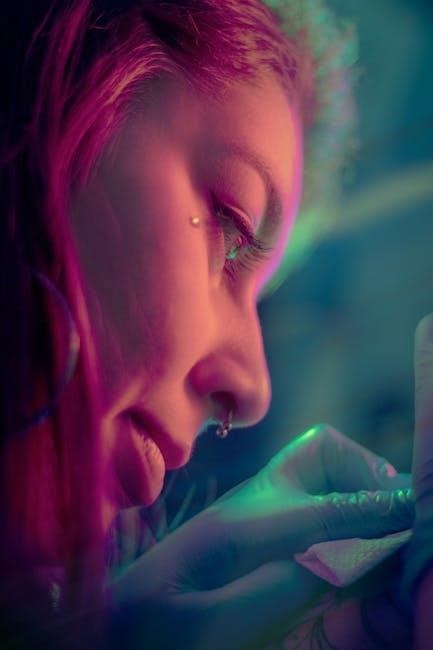
Choosing a qualified, professional piercer is crucial for a safe and positive experience; unlike medical providers, piercers utilize local anesthetic alternatives. Experienced piercers possess in-depth knowledge of anatomy, hygiene, and proper techniques, minimizing risks like infection or improper placement.
They prioritize sterilization, use high-quality jewelry, and provide comprehensive aftercare instructions. A reputable piercer will also be transparent about potential complications and offer guidance throughout the healing process, ensuring optimal results and client well-being.
Finding a Qualified Piercer
Seek piercers with certifications, review their portfolios for skill, and schedule a consultation to discuss your desired piercing and assess their expertise.
Certifications and Training
While not always legally mandated, certifications from reputable organizations demonstrate a piercer’s commitment to safety and best practices. Look for piercers who have completed comprehensive training programs covering anatomy, sterilization techniques, and piercing procedures.
These programs equip piercers with the knowledge to minimize risks and handle potential complications effectively. A well-trained piercer understands cross-contamination prevention and proper jewelry insertion methods, ensuring a safer experience for clients.
Portfolio Review and Consultation
Before committing to a piercing, thoroughly review the piercer’s portfolio to assess the quality and precision of their work. A skilled piercer will readily showcase healed piercings, demonstrating their expertise and attention to detail.
A comprehensive consultation is crucial; discuss your desired placement, jewelry options, and any concerns you may have. A reputable piercer will provide honest advice and ensure you’re fully informed before proceeding.

Long-Term Piercing Care
Consistent cleaning and regular inspection are vital for maintaining a healthy piercing, alongside mindful jewelry changes and upkeep for lasting beauty.
Regular Cleaning and Inspection
Maintaining a piercing’s health requires consistent attention long after initial healing. Gently clean the piercing site daily with a saline solution, avoiding harsh soaps or alcohol-based products. Regularly inspect for signs of irritation, redness, swelling, or discharge.
Pay close attention to jewelry, ensuring it’s secure and doesn’t cause friction. Promptly address any concerns, as early intervention can prevent complications and preserve the piercing’s integrity.
Jewelry Changes and Maintenance
Changing piercing jewelry should be done cautiously, ideally by a professional piercer, once the piercing is fully healed. Always handle jewelry with clean hands and ensure the new piece is made of a biocompatible material like titanium or surgical steel.
Regularly polish jewelry to maintain its shine and prevent buildup. Avoid forceful changes or twisting, which can irritate the piercing channel and potentially cause damage.